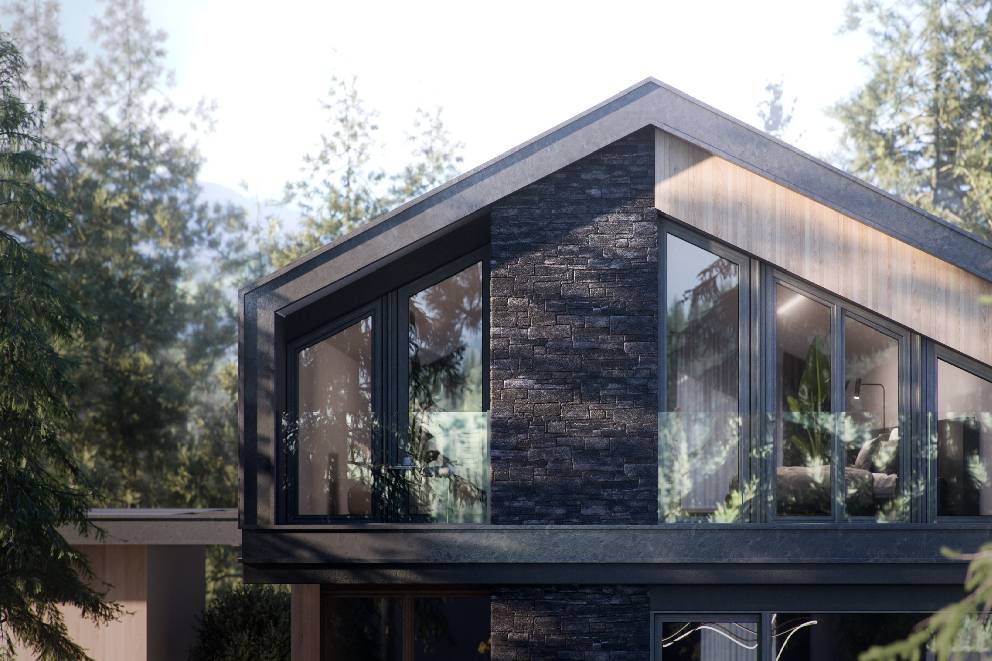
Aluminum windows are widely used in modern homes and commercial buildings because they are strong, durable, and require very little maintenance. However, many homeowners still ask an important question before installing them: how long do aluminum windows last?
In most cases, high-quality aluminum window systems can last 30 to 45 years, and sometimes even longer when properly installed and maintained. Thanks to modern coatings and improved manufacturing technology, today’s aluminum frames are far more durable than earlier designs.
In this article, we will explore the average lifespan of aluminum windows, the factors that influence durability, and how homeowners can extend their service life.
Average Lifespan of Aluminum Windows
Most aluminum window frames last between 30 and 45 years. In some cases, especially in mild climates, they can remain functional for 50 years or more.
This long lifespan is possible because aluminum offers several advantages over other materials:
-
It does not warp or crack like wood
-
It resists moisture and humidity
-
Powder-coated finishes protect against corrosion
-
The material is lightweight but structurally strong
As a result, aluminum window systems are frequently used in modern residential buildings, office towers, and large architectural projects.
What Factors Affect Aluminum Window Lifespan?
Although aluminum is a very durable material, several factors can influence how long the frames will last.
1. Quality of the Aluminum Profiles
The quality of the aluminum frame is one of the most important factors.
High-quality systems usually include:
-
thicker aluminum profiles
-
durable powder-coated or anodized finishes
-
precision manufacturing and assembly
Better manufacturing standards allow the window structure to resist wear, corrosion, and long-term environmental exposure.
2. Thermal Break Technology
Modern aluminum windows often include thermal break technology, which adds an insulating barrier between the interior and exterior metal parts.
This design improves:
-
energy efficiency
-
indoor comfort
-
condensation resistance
If you want to learn more about energy performance, you can read our detailed guide on Are Aluminum Windows Energy Efficient.
Because thermal break frames experience less temperature stress, they often maintain their performance for many decades.
3. Environmental Conditions
Climate also plays an important role in window durability.
For example:
-
Coastal homes may face salt exposure
-
Cold regions experience freeze-thaw cycles
-
Sunny climates increase UV exposure
Fortunately, modern powder-coating technology significantly improves resistance to these environmental conditions. According to the International Aluminium Institute, aluminum is widely used in construction due to its excellent corrosion resistance and structural strength.
4. Installation Quality
Even high-quality window systems may perform poorly if installation is not done correctly.
Professional installation ensures:
-
proper sealing
-
correct structural support
-
effective waterproofing
-
airtight performance
Improper installation can lead to leaks, frame stress, and reduced lifespan.
Signs It May Be Time to Replace Your Windows
Although aluminum frames last decades, some signs may indicate it is time for replacement.
Common warning signs include:
-
noticeable drafts
-
difficulty opening or closing the window
-
condensation between glass panes
-
damaged hardware or worn seals
-
outdated single-glazed glass units
However, in many cases replacing glass units or seals may restore performance without replacing the entire frame.
How to Make Aluminum Windows Last Longer
One of the biggest advantages of aluminum window systems is their low maintenance requirements. Still, a few simple steps can extend their lifespan.
Clean the Frames Regularly
Use mild soap and water to remove dust and dirt. Avoid harsh chemicals that may damage the protective coating.
Check Hardware and Seals
Every year or two, inspect hinges, locks, and rubber seals. Lubricating moving parts can keep the window operating smoothly.
Keep Drainage Holes Clear
Most window frames include small drainage openings, also called weep holes, which allow water to escape. Keeping them clear prevents moisture buildup.
Aluminum Windows vs Other Window Materials
Many homeowners compare aluminum frames with other common window materials.
| Window Material | Average Lifespan |
|---|---|
| Aluminum | 30–45+ years |
| uPVC / Vinyl | 20–30 years |
| Wood | 15–30 years |
If you want a deeper comparison, you can read our full guide on Aluminum vs uPVC vs Wooden Windows.
Overall, aluminum offers an excellent balance of durability, strength, and minimal maintenance.
Are Aluminum Windows a Good Long-Term Investment?
For homeowners looking for modern and long-lasting window solutions, aluminum frames are often a smart investment.
They offer:
-
long lifespan
-
slim and modern appearance
-
strong structural performance
-
compatibility with large glass panels
-
minimal maintenance requirements
Because of these advantages, aluminum window systems are widely used across Europe and North America in contemporary architecture.
Conclusion
So, how long do aluminum windows last?
On average, 30 to 45 years, and sometimes much longer when properly installed and maintained. With modern coatings, improved hardware, and thermal break technology, aluminum window systems provide a durable and energy-efficient solution for both residential and commercial buildings.
For homeowners planning a window upgrade, aluminum frames offer a reliable long-term investment that combines durability, style, and performance.
One thought on “How Long Do Aluminum Windows Last? Lifespan, Maintenance & Cost Guide”