Introduction
When comparing awning window vs casement window, many homeowners and builders want to understand which option offers better ventilation, functionality, and design.
Both are outward-opening windows, but they differ in how they operate and where they perform best. In this guide, we’ll break down the key differences to help you choose the right window type for your project in 2026.
What Is an Awning Window?
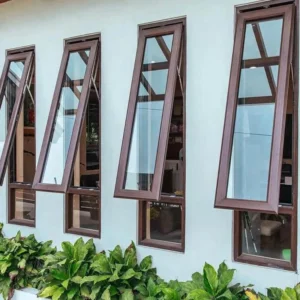

An awning window is hinged at the top and opens outward from the bottom. It is commonly used in bathrooms, kitchens, and areas where ventilation is needed even during rain.
Key features:
- Opens outward from the bottom
- Provides rain protection
- Compact and functional
What Is a Casement Window?
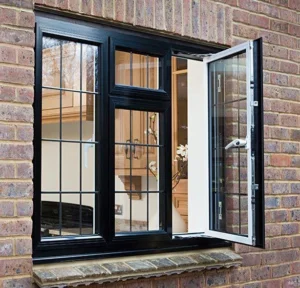
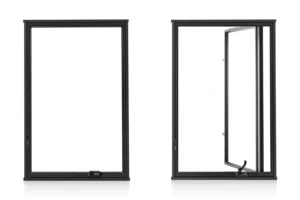
A casement window is hinged on the side and opens outward like a door, usually operated with a crank handle.
👉 Learn more: Crank Out Window Guide
Key features:
- Opens outward from the side
- Full opening for airflow
- Modern and versatile
Awning Window vs Casement Window: Quick Comparison
| Feature | Awning Window | Casement Window |
|---|---|---|
| Hinge Position | Top | Side |
| Opening Style | Bottom outward | Side outward |
| Ventilation | Moderate | Excellent |
| Rain Protection | Excellent | Limited |
| Best Location | Bathrooms, kitchens | Living rooms, bedrooms |
| Size Options | Smaller | Larger openings |
1. Ventilation Performance
Casement windows provide better airflow because they open fully and can catch side breezes.
Awning windows offer consistent but smaller airflow, making them suitable for continuous ventilation.
2. Weather Protection
Awning windows are designed to stay open during light rain because the glass acts like a small roof.
Casement windows, on the other hand, are more exposed when open and may need to be closed during rain.
3. Design and Aesthetics
Casement windows are often used in modern architecture due to their:
- Large glass panels
- Clean, minimal look
- Flexible sizing
Awning windows are typically smaller and used as complementary windows.
👉 Explore design options: Aluminum Windows
4. Energy Efficiency
Both window types can be highly energy-efficient when properly sealed.
Because they close tightly against the frame, they reduce air leakage.
👉 Related: Energy Efficiency Guide
5. Best Use Cases
Choose Awning Windows if:
- You need ventilation during rain
- Space is limited
- You are installing windows in bathrooms or kitchens
Choose Casement Windows if:
- You want maximum airflow
- You need larger window openings
- You prefer a modern design
6. Which One Is Better?
There is no one-size-fits-all answer when comparing awning window vs casement window.
- Awning windows are better for practicality and weather resistance
- Casement windows are better for airflow and design flexibility
In many projects, both are used together to achieve the best results.
Common Mistakes to Avoid
- Choosing based only on appearance
- Ignoring ventilation needs
- Not considering climate conditions
- Using the wrong window type for the wrong space
Conclusion
Both awning and casement windows offer unique advantages. The best choice depends on your project requirements, climate, and design preferences.
For modern homes, combining both types can deliver the best balance of functionality and aesthetics.
🔥 Looking for high-quality aluminum awning or casement windows?
👉 Contact us today for customized solutions and expert advice.