Choosing the best windows for hot climates is one of the most important decisions for homeowners building or renovating modern homes in warm regions. The right windows can significantly reduce indoor heat, improve comfort, lower energy bills, and create a brighter living environment.
In areas with strong sunlight and high temperatures, poorly designed windows can allow excessive heat into the house. This increases air conditioning costs and reduces overall energy efficiency. That is why many architects and homeowners now prefer modern aluminum windows with thermal break technology and energy-efficient glass solutions.
In this guide, we will explain the best window options for hot climates, the most suitable glass choices, and what features you should look for in 2026.
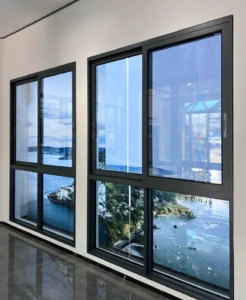
Why Window Selection Matters in Hot Climates
Windows are one of the biggest sources of heat gain in a building. In hot regions, sunlight passing through ordinary glass can quickly raise indoor temperatures.
Choosing energy-efficient windows helps:
- Reduce solar heat gain
- Improve indoor comfort
- Lower cooling costs
- Increase energy efficiency
- Protect furniture from UV damage
- Enhance modern architectural appearance
Modern aluminum windows combined with insulated glass systems are becoming one of the most popular choices for homes in warm climates.
What Are the Best Windows for Hot Climates?
1. Thermal Break Aluminum Windows
Thermal break aluminum windows are widely considered one of the best solutions for hot climates.
Traditional aluminum frames conduct heat easily. However, thermal break technology adds an insulating barrier inside the frame, reducing heat transfer significantly.
Benefits include:
- Better insulation performance
- Improved energy efficiency
- Strong structural durability
- Slim modern frames
- Large glass panel support
- Long lifespan with low maintenance
Thermal break aluminum windows are especially suitable for:
- Modern villas
- Luxury homes
- Coastal houses
- Large sliding doors
- Floor-to-ceiling windows
2. Double Glazed Windows
Double glazing is highly recommended for hot climates because it reduces heat transfer and improves insulation.
A double glazed unit contains two glass panels separated by an insulating air or gas layer.
Advantages include:
- Reduced indoor heat
- Better sound insulation
- Improved comfort
- Lower energy consumption
Compared with single glazing, double glazing offers much better thermal performance for homes exposed to strong sunlight.
3. Low-E Glass Windows
Low-E (Low Emissivity) glass is one of the most important upgrades for hot climate windows.Low-E coatings help reflect infrared heat while still allowing natural light into the home. Additionally, Low-E glass can further improve energy efficiency.
Benefits include:
- Reduced solar heat gain
- Better indoor temperature control
- Improved energy savings
- UV protection for furniture and flooring
For modern homes in tropical or sunny regions, Low-E glass is often considered essential.
Learn more about thermal insulation in our Best Glass for Aluminum Windows
Best Window Styles for Hot Climates
Casement Windows
Casement windows provide excellent ventilation because they can fully open outward. This helps improve natural airflow inside the home.
They are ideal for:
- Bedrooms
- Living rooms
- Areas requiring cross ventilation
Sliding Windows
Sliding windows are popular in modern homes because of their clean appearance and space-saving operation.
Advantages include:
- Modern design
- Easy operation
- Large glass areas
- Good natural lighting
Awning Windows
Awning windows can remain partially open even during light rain, making them useful in tropical climates.
They are commonly used in:
- Bathrooms
- Kitchens
- Compact spaces
Important Features to Look For
When choosing windows for hot climates, consider the following features:
Thermal Break Frames
Help reduce heat transfer through aluminum frames.
Low-E Glass
Improves solar control and energy efficiency.
Multi-Point Locking Systems
Improve sealing and reduce air leakage.
Quality Weather Seals
Prevent heat and dust infiltration.
Double or Triple Glazing
Enhance insulation performance.
Are Large Windows Good for Hot Climates?
Large windows can work very well in hot climates if they use the correct materials and glass systems.
Modern large aluminum windows provide:
- More natural light
- Better outdoor views
- Enhanced modern aesthetics
- Improved ventilation
However, larger windows require:
- Stronger hardware
- High-quality thermal break frames
- Professional installation
- Proper glass selection
Choosing a reliable aluminum window manufacturer is essential to ensure long-term performance, energy efficiency, and structural safety for large window systems.
You may also like our guide: Are Aluminum Windows Energy Efficient?
Aluminum vs Vinyl Windows for Hot Climates
Both aluminum and vinyl windows can perform well, but modern thermal break aluminum windows offer several advantages for premium projects.
| Feature | Aluminum Windows | Vinyl Windows. |
|---|---|---|
| Strength | Excellent | Moderate |
| Modern Appearance | Excellent | Good |
| Large Window Support | Excellent | Limited |
| Durability | Very High | Moderate |
| Energy Efficiency | Excellent with thermal break. | Good |
| Maintenance | Low | Low |
For modern architecture and larger openings, aluminum windows are often the preferred choice.
Read more:
Aluminum Windows vs Vinyl Windows
Final Thoughts
The best windows for hot climates combine energy efficiency, ventilation performance, durability, and modern design.
For most modern homes in 2026, the ideal combination includes:
- Thermal break aluminum frames
- Double glazed Low-E glass
- High-quality sealing systems
- Professional installation
Choosing the right window system can significantly improve indoor comfort while reducing long-term energy costs.
If you are planning a modern home project, investing in high-quality energy-efficient aluminum windows is one of the smartest long-term decisions you can make.
Insulated Glass Windows Explained: Double vs Triple Glazing Guide
Aluminum Windows vs Wood Windows: Which Is Better for Modern Homes?