Thermal break aluminum windows have become one of the most popular choices for modern homes, commercial buildings, and energy-efficient construction projects. While traditional aluminum windows are known for their strength and slim appearance, they can also transfer heat quickly.
Thermal break technology solves this problem by adding an insulating barrier inside the aluminum frame. As a result, thermal break aluminum windows offer better insulation, improved energy efficiency, and enhanced indoor comfort.
In this guide, we’ll explain how thermal break aluminum windows work, their advantages and disadvantages, and whether they are worth choosing in 2026.
What Are Thermal Break Aluminum Windows?
Thermal break aluminum windows are aluminum window systems that include a non-metal insulating material between the interior and exterior aluminum profiles.
This insulating barrier, often made from polyamide strips, reduces heat transfer through the frame.
Unlike standard aluminum windows, thermal break systems prevent outdoor temperatures from easily affecting indoor conditions.
In simple terms:
- Traditional aluminum = direct heat transfer
- Thermal break aluminum = insulated heat barrier
This significantly improves overall window performance.
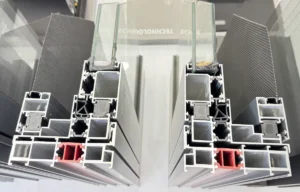
How Does Thermal Break Technology Work?
Aluminum is naturally a highly conductive material.
Without insulation, heat can easily travel through the frame from outside to inside.
Thermal break technology separates the inner and outer aluminum sections using a low-conductivity material.
The thermal barrier helps:
- Reduce heat transfer
- Improve insulation performance
- Prevent condensation
- Increase energy efficiency
- Improve indoor comfort
This is especially important in regions with extremely hot or cold weather.
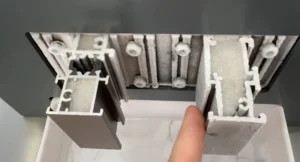
Benefits of Thermal Break Aluminum Windows
1. Improved Energy Efficiency
One of the biggest advantages of thermal break aluminum windows is energy efficiency.
By reducing heat transfer through the frame, the building requires less heating and cooling.
Benefits include:
- Lower energy consumption
- Reduced air-conditioning costs
- Better temperature control
- Improved sustainability
2. Better Indoor Comfort
Traditional aluminum frames can become hot during summer and cold during winter.
Thermal break frames help maintain a more stable indoor temperature.
As a result, homeowners experience greater comfort throughout the year.
3. Reduced Condensation
Condensation occurs when warm indoor air meets a cold window surface.
Because thermal break systems reduce temperature differences, condensation is significantly reduced.
This helps prevent:
- Water buildup
- Mold growth
- Moisture-related damage
4. Strong and Durable Construction
Aluminum remains one of the strongest window materials available.
Thermal break technology improves insulation without sacrificing structural strength.
Advantages include:
- Long lifespan
- Corrosion resistance
- Low maintenance
- Excellent weather resistance
5. Modern Architectural Design
Many architects prefer thermal break aluminum windows because they support:
- Large glass panels
- Slim sightlines
- Floor-to-ceiling windows
- Contemporary designs
This makes them ideal for luxury homes and modern buildings.
Thermal Break vs Standard Aluminum Windows
| Feature | Thermal Break Aluminum | Standard Aluminum |
|---|---|---|
| Energy Efficiency | Excellent | Low |
| Heat Transfer | Low | High |
| Condensation Resistance | Excellent | Limited |
| Indoor Comfort | Better | Moderate |
| Initial Cost | Higher | Lower |
| Long-Term Value | Excellent | Moderate |
While thermal break windows typically cost more upfront, they often provide better long-term performance and energy savings.
Thermal Break vs Vinyl Windows
Many homeowners compare thermal break aluminum windows with vinyl windows.
Thermal Break Aluminum Windows
Advantages:
- Stronger frames
- Larger window sizes
- Modern appearance
- Longer lifespan
- Premium architectural look
Vinyl Windows
Advantages:
- Lower initial cost
- Good insulation
- Simple maintenance
For high-end projects, modern homes, and large openings, thermal break aluminum windows are often the preferred solution.
You can read more about aluminium windows VS vinyl windows here
Are Thermal Break Aluminum Windows Worth It?
In most cases, yes.
They are worth the investment if you want:
- Better energy efficiency
- Improved indoor comfort
- Modern aesthetics
- Long-term durability
- Reduced condensation
The benefits become even more noticeable in hot climates, cold climates, and buildings with large glass areas.
You can read more about are aluminum windows worth it here.
Best Glass Options for Thermal Break Windows
For maximum performance, thermal break frames should be paired with energy-efficient glazing.
Recommended options include:
Double Glazed Glass
Provides improved insulation and sound reduction.
Low-E Glass
Reflects heat while allowing natural light to enter.
Triple Glazing
Offers the highest insulation performance for demanding environments.
Combining thermal break frames with Low-E double glazing creates one of the most energy-efficient window systems available today.
You can read more about double glazed, triple glazed and Low-E glass here.
Applications of Thermal Break Aluminum Windows
Thermal break systems are commonly used in:
- Residential homes
- Luxury villas
- Coastal properties
- High-rise buildings
- Commercial offices
- Modern architectural projects
Their versatility makes them suitable for both residential and commercial applications.
Choosing the Right Thermal Break Window Manufacturer
The quality of the thermal break system depends heavily on manufacturing standards.
When selecting a supplier, consider:
- Thermal break profile quality
- Glass options
- Hardware systems
- Manufacturing experience
- Product certifications
- Customization capabilities
A reliable manufacturer can help ensure long-term performance, durability, and energy efficiency for your project.
Final Thoughts
Thermal break aluminum windows offer the perfect balance between strength, energy efficiency, and modern design.
Compared with standard aluminum systems, they provide significantly better insulation, improved comfort, and long-term value.
For homeowners, architects, and developers seeking high-performance windows in 2026, thermal break aluminum windows remain one of the best investments available.
Aluminum vs uPVC vs Wooden Windows – Complete Comparison Guide