Aluminum Sliding vs Casement Windows: Which Is Better for Your Home?
Choosing the right window type is an important decision for any home or building project. Among modern window options, aluminum sliding windows and aluminum casement windows are two of the most popular choices. Both offer durability, sleek design, and excellent performance — but they function very differently.
In this guide, we’ll compare aluminum sliding vs casement windows in terms of ventilation, space efficiency, energy performance, cost, and ideal applications, helping you decide which one is best for your home.
What Are Aluminum Sliding Windows?
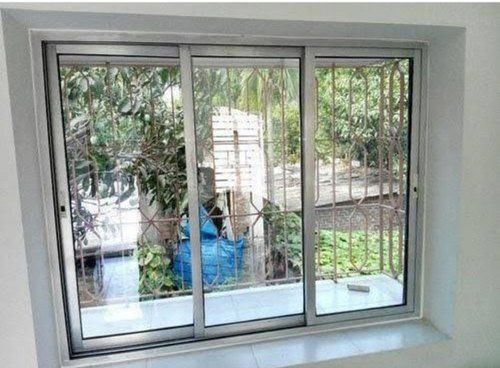


Aluminum sliding windows open horizontally by sliding along a track. Usually consisting of two or more panels, one or more panels slide past the others to open.
Key Features
-
Smooth horizontal sliding operation
-
Space-saving design (no outward swing)
-
Large glass area for natural light
-
Ideal for wide openings
Advantages
1. Perfect for Limited Space
Sliding windows do not swing inward or outward, making them ideal for areas facing walkways, patios, or balconies.
2. Modern Minimalist Look
Slim aluminum frames allow for large glass panels, providing unobstructed outdoor views and more daylight.
3. Easy Operation
Quality aluminum sliding windows glide smoothly on tracks, making them easy to operate even for large window sizes.
Limitations
-
Only half of the window area can open
-
Ventilation is more limited compared with casement windows
-
Tracks require periodic cleaning
What Are Aluminum Casement Windows?
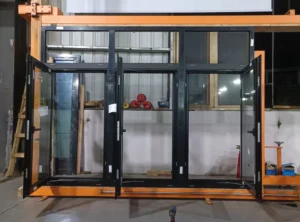
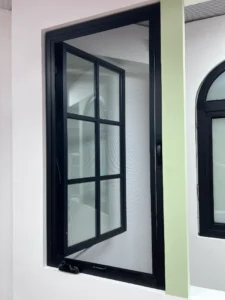
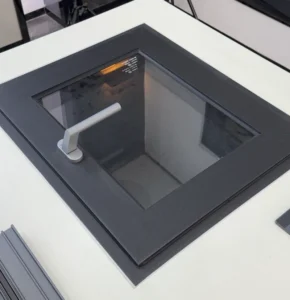
Aluminum casement windows are hinged on the side and open outward like a door, typically operated with a handle or crank.
Key Features
-
Side-hinged opening
-
Full window ventilation
-
Tight sealing when closed
-
Excellent energy efficiency
Advantages
1. Maximum Ventilation
Casement windows open fully, allowing 100% of the window area to provide airflow.
2. Better Energy Efficiency
Because casement windows close tightly against the frame, they typically provide better insulation and weather sealing.
3. Superior Airflow Control
They can catch side breezes and direct air into the home, making them excellent for natural ventilation.
Limitations
-
Requires clear outdoor space to swing open
-
Not ideal near walkways or tight exterior areas
-
Hardware components may require maintenance over time
Aluminum Sliding vs Casement Windows: Key Differences
| Feature | Sliding Windows | Casement Windows |
|---|---|---|
| Opening Style | Horizontal sliding | Side-hinged outward |
| Ventilation | Up to 50% opening | Up to 100% opening |
| Space Requirement | No extra space needed | Needs space outside |
| Energy Efficiency | Moderate | High |
| Maintenance | Track cleaning | Hardware maintenance |
| Best For | Wide openings, modern homes | Ventilation-focused areas |
Which Window Is Better for Your Home?
The choice between aluminum sliding and casement windows depends on your space, ventilation needs, and architectural style.
Choose Aluminum Sliding Windows If:
-
You have wide window openings
-
Space outside the window is limited
-
You prefer minimalist modern aesthetics
-
The window is facing a balcony or walkway
Choose Aluminum Casement Windows If:
-
You want maximum airflow
-
Energy efficiency is a priority
-
Your home benefits from natural cross ventilation
-
There is enough space outside for the window to open
Why Aluminum Is a Popular Choice for Modern Windows
Regardless of style, aluminum windows offer several advantages over traditional materials.
Durability
Aluminum frames are resistant to corrosion, warping, and weather damage, making them ideal for long-term performance.
Slim Profiles
Compared with wood or uPVC, aluminum allows thinner frames and larger glass areas.
Low Maintenance
Powder-coated aluminum frames require minimal upkeep and maintain their appearance for years.
Sustainability
Aluminum is highly recyclable, making it an environmentally responsible building material.
Final Thoughts
Both aluminum sliding and casement windows offer excellent performance and aesthetics. Sliding windows are ideal for modern homes with limited space, while casement windows provide superior ventilation and sealing.
When choosing between the two, consider the layout of your home, ventilation needs, and exterior space. Many modern homes even combine both window types to achieve the best balance of design and functionality.
If you’re planning a renovation or new construction project, investing in high-quality aluminum windows can significantly improve comfort, energy efficiency, and the overall look of your home.
Aluminum vs uPVC vs Wooden Windows – Complete Comparison Guide