Introduction
Choosing the correct casement window size is an important part of any home or commercial project. The right dimensions affect ventilation, appearance, natural light, and overall functionality.
In this guide, we’ll explain common casement window sizes, standard dimensions, and how to choose the best option for your project in 2026.
What Is a Casement Window?
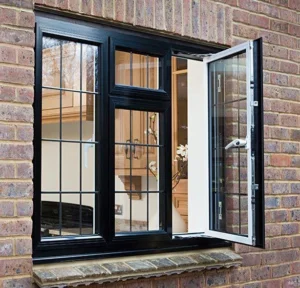
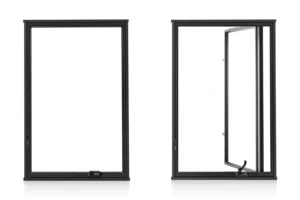
A casement window is a side-hinged window that opens outward like a door, usually operated with a crank handle.
Casement windows are popular because they offer:
- Excellent ventilation
- Tight sealing performance
- Modern appearance
- Flexible sizing options
👉 Learn more: What Is a Crank Out Window?
Standard Casement Window Sizes
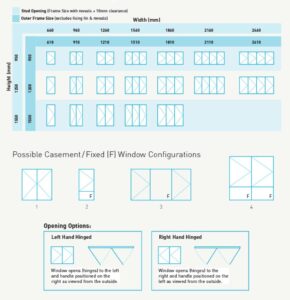
While custom sizes are common, there are several standard casement window dimensions widely used in residential construction.
Common Widths
Typical casement window widths include:
- 1 ft 7 in
- 2 ft 3 in
- 2 ft 9 in
- 3 ft 5 in
Common Heights
Typical heights include:
- 1 ft 4 in
- 2 ft 5 in
- 3 ft 5 in
- 4 ft 5 in
- 5 ft 5 in
Standard Casement Window Size Chart
| Width | Height | Common Use |
|---|---|---|
| 1’7″ | 1’4″ | Bathrooms |
| 2’3″ | 3’5″ | Bedrooms |
| 2’9″ | 4’5″ | Living rooms |
| 3’5″ | 5’5″ | Large openings |
How to Choose the Right Casement Window Size
Choosing the correct casement window size depends on several factors.
1. Room Function
Different rooms require different window sizes.
Smaller windows:
- Bathrooms
- Hallways
Larger windows:
- Living rooms
- Bedrooms
2. Ventilation Needs
Larger casement windows allow more airflow and natural ventilation.
Because they open fully, casement windows are excellent for capturing side breezes.
3. Natural Light
Bigger windows improve daylight and create a more open appearance.
Modern homes often use large casement windows with slim aluminum frames to maximize glass area.
👉 Explore options: Aluminum Window Solutions
4. Building Style
Traditional homes may use smaller window dimensions, while modern architecture often features larger openings.
Custom Casement Window Sizes
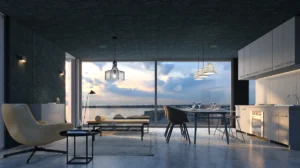
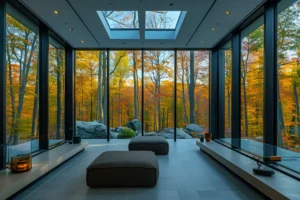
Many projects require custom casement window sizes instead of standard dimensions.
Custom windows are ideal for:
- Luxury homes
- Modern villas
- Commercial buildings
- Large glass openings
Aluminum vs Vinyl Casement Windows
When selecting casement windows, material choice also matters.
Aluminum Casement Windows
- Slim frames
- Modern design
- Strong structural support
Vinyl Casement Windows
- Budget-friendly
- Good insulation
- Thicker frames
👉 Related reading: Aluminum vs Vinyl Windows
Common Mistakes to Avoid
- Choosing windows too small for the room
- Ignoring ventilation requirements
- Forgetting furniture placement
- Not considering exterior opening space
Are Larger Casement Windows Better?
Larger casement windows provide:
- Better airflow
- More natural light
- Modern appearance
However, they may require:
- Stronger hardware
- Higher-quality frames
- Better installation support
Therefore, working with an experienced manufacturer is especially important when selecting large casement windows. From structural stability to hardware quality, every detail matters. House Essential offers customized aluminum window solutions tailored to modern architectural needs.
Conclusion
Choosing the right casement window size is essential for comfort, functionality, and aesthetics.
Standard dimensions work well for many projects, but custom casement windows provide greater flexibility for modern homes and commercial spaces.
Looking for high-quality custom casement windows?
👉 Contact us today for tailored solutions and expert advice.