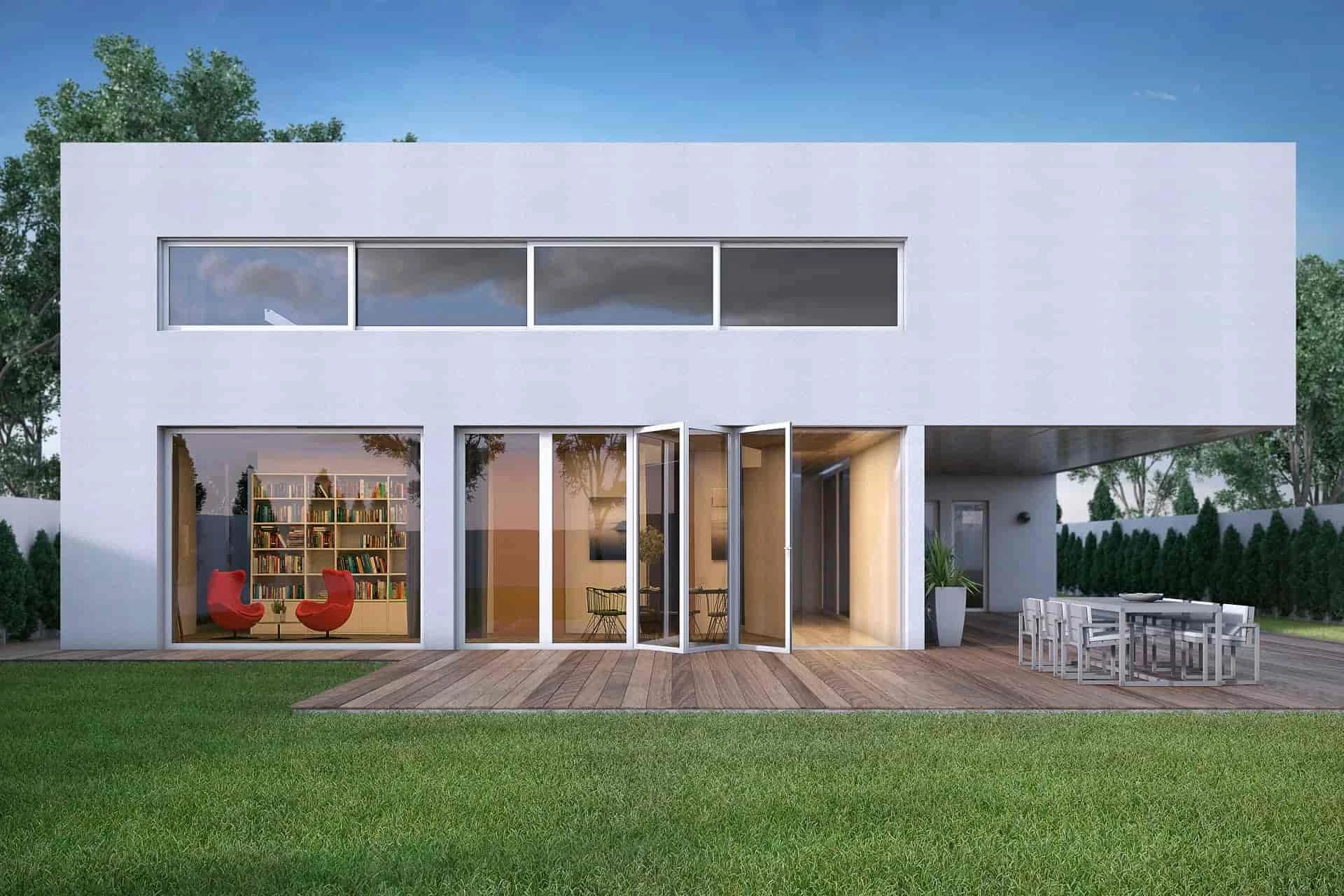
Aluminum windows are widely used in modern homes and commercial buildings because they are strong, sleek, and highly durable. But one common question homeowners ask before installing them is: how long do aluminum windows actually last?
In most cases, high-quality aluminum windows can last between 30 and 45 years, and sometimes even longer with proper maintenance. Thanks to modern coatings and improved thermal technology, today’s aluminum window systems are far more durable than older designs.
In this article, we’ll explore the lifespan of aluminum windows, what affects their durability, and how you can make them last even longer.
Average Lifespan of Aluminum Windows
Generally speaking, aluminum windows have a lifespan of 30–45 years. In mild climates and with good care, many aluminum frames can remain functional for 50 years or more.
Several factors contribute to this impressive lifespan:
-
Aluminum does not warp or crack like wood
-
It is resistant to moisture and humidity
-
Powder-coated finishes protect against corrosion
-
The material is structurally strong but lightweight
Because of these qualities, aluminum windows are commonly used in high-rise buildings, modern homes, and coastal architecture.
What Affects the Lifespan of Aluminum Windows?
Even though aluminum windows are durable, several factors influence how long they last.
1. Quality of the Aluminum Frame
Not all aluminum windows are manufactured the same way. High-quality systems usually feature:
-
Thicker aluminum profiles
-
Powder-coated or anodized finishes
-
Precision engineering
Premium frames resist corrosion and surface wear much better than lower-grade products.
2. Thermal Break Technology
Older aluminum windows conducted heat easily. However, modern systems often use thermal break aluminum profiles, which include an insulating barrier between interior and exterior metal sections.
Benefits include:
-
Improved energy efficiency
-
Reduced condensation
-
Longer structural lifespan
Because thermal break windows experience less temperature stress, they tend to last longer and perform better.
3. Climate and Environmental Conditions
The surrounding environment plays an important role in window durability.
For example:
-
Coastal areas: Salt exposure may cause faster surface wear
-
Cold climates: Freeze-thaw cycles stress seals and glass
-
Hot climates: UV exposure may fade lower-quality coatings
Fortunately, modern powder coating technologies significantly improve aluminum’s resistance to these environmental factors.
4. Installation Quality
Even the best windows will not perform well if installed poorly.
Professional installation ensures:
-
Proper sealing
-
Correct structural support
-
Water and air tightness
Poor installation can lead to water leakage, frame stress, and shorter lifespan.
Signs Your Aluminum Windows May Need Replacement
Although aluminum windows last decades, there are situations where replacement becomes necessary.
Common signs include:
-
Drafts or poor insulation
-
Difficulty opening or closing the window
-
Condensation between glass panes
-
Visible frame damage or corrosion
-
Outdated single-glazed glass
In many cases, however, replacing glass units or seals can restore performance without replacing the entire frame.
How to Extend the Life of Aluminum Windows
The good news is that aluminum windows require very little maintenance compared to wood frames. Nevertheless, a few simple steps can help them last even longer.
Clean the Frames Regularly
Use mild soap and water to remove dust and dirt. Avoid harsh chemicals that may damage the finish.
Check Seals and Hardware
Every year or two, inspect:
-
Rubber seals
-
Hinges
-
Sliding tracks
-
Locking mechanisms
Lubricating moving parts can keep windows operating smoothly for many years.
Keep Drainage Holes Clear
Most aluminum windows include weep holes that allow water to drain. Keeping them clear prevents moisture buildup.
Aluminum Windows vs Other Window Materials
When comparing lifespan, aluminum performs very well against other materials.
| Window Material | Average Lifespan |
|---|---|
| Aluminum Windows | 30–45+ years |
| uPVC Windows | 20–30 years |
| Wooden Windows | 15–30 years |
While wood requires regular maintenance and uPVC may degrade under UV exposure, aluminum offers a balance of durability, strength, and low maintenance.
Are Aluminum Windows Worth the Investment?
For homeowners looking for long-lasting windows, aluminum is often an excellent choice.
Advantages include:
-
Long lifespan
-
Minimal maintenance
-
Slim modern appearance
-
Strong structural performance
-
Suitable for large glass panels
Because of these benefits, aluminum windows are widely used in modern architecture across Europe and North America.
Conclusion
So, how long do aluminum windows last?
On average, 30 to 45 years, and sometimes much longer when properly installed and maintained. With modern powder coatings and thermal break technology, aluminum windows provide a durable and energy-efficient solution for both homes and commercial buildings.
If you are planning to upgrade your windows, aluminum systems offer a long-term investment that combines strength, style, and reliability.
Aluminum vs uPVC vs Wooden Windows – Complete Comparison Guide